
Chimney Relining Process Explained: Everything Homeowners Need to Know
If your chimney is not working as safely or efficiently as it should, the problem may be inside the flue. Over time, chimney liners can crack, wear down, or become unsafe. That is where chimney relining comes in.
This guide explains the chimney relining process, why it is important, and how choosing the right professionals like Best Chimney can help protect your home.
What Is Chimney Relining?
Chimney relining is the process of repairing or replacing the inner lining of your chimney, also known as the flue liner. This liner plays a critical role in your home by:
- Directing smoke and gases safely out of your house
- Protecting the chimney walls from heat and corrosion
- Improving the performance of your fireplace or heating system
If the liner is damaged or outdated, it can increase the risk of chimney fires or carbon monoxide exposure.
Signs You May Need Chimney Relining
Before getting into the process, it helps to know the warning signs of chimney liner failure:
- Cracked or deteriorating flue tiles
- Smoke entering your home instead of venting properly
- Poor draft or airflow issues
- Heavy creosote buildup
- Visible cracked bricks on the exterior
- Installation of a new heating appliance
If you notice any of these issues, a professional inspection is a smart next step.
Step-by-Step Chimney Relining Process
Understanding how chimney relining works can help you feel more confident about the service.
1. Chimney Inspection
The process begins with a detailed inspection. Technicians often use a camera to examine the interior of the flue.
This helps determine the level of damage, the right liner size, and the best material for your chimney.
2. Chimney Cleaning
Before installing a new liner, the chimney must be thoroughly cleaned. This removes:
- Creosote buildup
- Debris or blockages
- Remnants of the old liner
A clean surface is essential for proper installation and long-term performance.
3. Selecting the Right Liner
There are several types of chimney liners available:
- Stainless steel liners, which are durable and widely used
- Aluminum, which are less common but acceptable in certain applications
- Cast-in-place liners, which help strengthen aging chimneys
The right choice depends on your chimney structure and the type of appliance you use.
4. Liner Installation
The new liner is inserted into the chimney flue. With stainless steel liners:
- The liner is lowered from the top of the chimney
- It is connected to the fireplace or heating appliance
- Insulation may be added to improve safety and efficiency
Proper installation is key to ensuring safe ventilation.
5. Sealing and Final Connections
Once the liner is in place, it is sealed and secured:
- A top plate and chimney cap are installed to prevent water entry
- The base is connected to your appliance (if applicable)
- All joints are checked to ensure a tight seal
6. Final Safety Check
A final inspection confirms that everything is installed properly. This includes checking airflow, connections, and compliance for heat and hot water applications.
Benefits of Chimney Relining
Chimney relining offers several important advantages:
- Improved safety for your home
- Better heating efficiency
- Lower risk of chimney fires
- Longer lifespan for your chimney system
- Compliance with current building codes
How Long Does Chimney Relining Take?
Most chimney relining jobs can be completed in one day. The exact time depends on the condition of the chimney, the type of liner used, and the complexity of the installation.
Why Professional Chimney Relining Is Important
Chimney relining requires experience and precision. Poor installation can lead to gas leaks, ventilation problems, and long-term damage.
Hiring a qualified professional ensures the job is done safely and correctly.
Choose Best Chimney for Your Relining Needs
When it comes to chimney relining, experience and quality matter.
Best Chimney provides professional relining services designed to keep your home safe and efficient. Their team offers:
- Skilled and certified technicians
- High-quality materials
- Detailed inspections and honest recommendations
- Installations that meet safety codes
If you are considering chimney relining, now is the time to act. Contact Best Chimney today to schedule an inspection and find the right solution for your home.
Final Thoughts
Chimney relining is an essential part of maintaining a safe and efficient home. Whether you are dealing with a damaged liner or upgrading your system, understanding the process helps you make informed decisions.
Working with a trusted company like Best Chimney ensures the job is handled properly from start to finish.
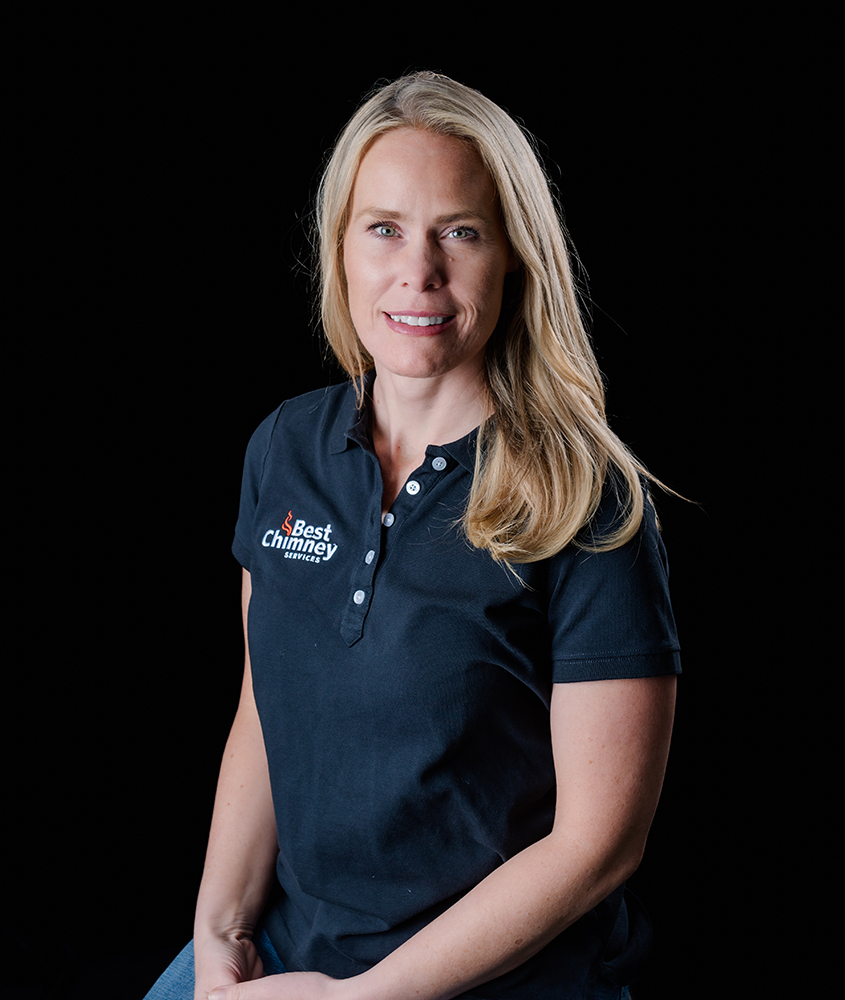
Lindsey joined BBC in 1998 as an administrative assistant learning every aspect of the industry and company. Lindsey embraced her chimney career, slowly working her way up the ladder to President of Operations. Lindsey has been an integral part of the daily operations for the last ten years, implementing numerous policies, systems, and procedures. In 2016, Lindsey became a partial owner of the company with her brother Matthew. She is dedicated to preserving the company’s family-owned values while providing top-notch customer service from both the office staff and field technicians. Lindsey lives in Bridgewater with her husband and two daughters and plays in a women’s soccer league to unwind.
Lindsey holds her Construction Supervisor’s License with the Commonwealth of Massachusetts, and is certified by the Chimney Safety Institute of America, CSIA Cert#8198