
Regular chimney sweeping helps remove soot, creosote, and other buildup from your chimney so your fireplace and venting system can continue to operate properly. Best Chimney provides professional chimney sweeping and chimney cleaning services for homeowners throughout Greater Boston.
Our experienced chimney technicians assess the condition of the flue before sweeping to determine the type and amount of buildup present and the appropriate cleaning method. Whether your chimney needs a routine sweep or more intensive cleaning for stubborn creosote deposits, we can recommend the right approach for your chimney.
Our Chimney Cleaning Services
Not every chimney requires the same type of cleaning. Best Chimney offers both traditional chimney sweeping and chemical chimney cleaning depending on the type and severity of buildup within the flue.

Chimney Sweeping
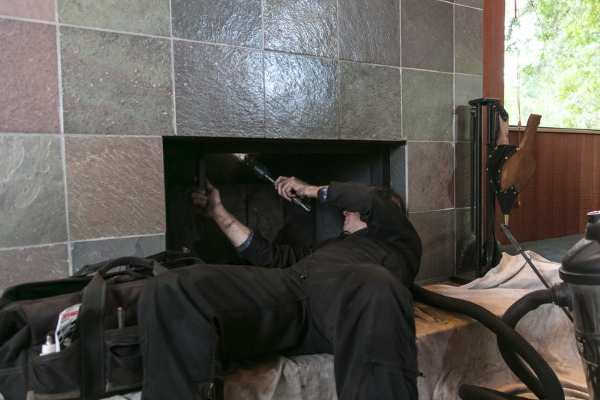
Traditional chimney sweeping uses specialized brushes and rods to remove soot and creosote buildup from the flue.
Before sweeping begins, the flue is visually evaluated to determine the condition and type of buildup present and the appropriate brush to use. The area around the fireplace is prepared with drop cloths, a vacuum, and additional dust-control measures as needed.
The chimney is then swept using brushes attached to semi-flexible rods, with additional rods added as the technician works through the flue.
Chemical Chimney Cleaning
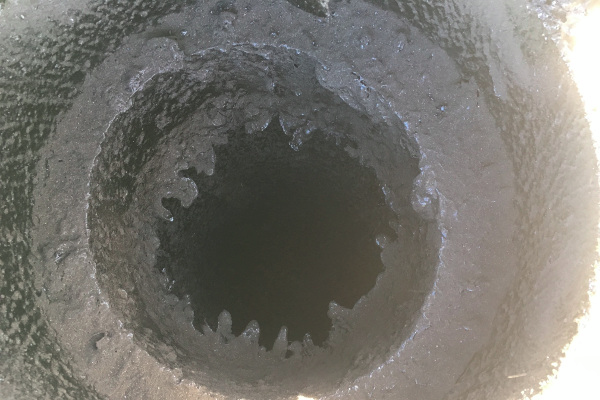
Some creosote deposits can become too hard or glazed for standard chimney sweeping methods to remove effectively. In these situations, a more intensive cleaning process may be recommended.
Chemical chimney cleaning is designed to help break down stubborn creosote deposits so they can be more effectively removed from the chimney. Whether this service is necessary depends on the type and severity of creosote buildup found within the flue.
Why Is Chimney Sweeping Important?
Every time you use a wood-burning fireplace or stove, combustion byproducts travel through the chimney. Over time, soot and creosote can accumulate along the interior of the flue.
Creosote is a combustible residue produced by burning wood. As deposits accumulate, they can restrict the flue and increase the risk of a chimney fire. Leaves, nesting materials, and other debris can also interfere with proper venting.
Professional chimney sweeping removes these deposits and gives your chimney technician an opportunity to identify visible conditions that may require additional attention.
Signs Your Chimney May Need Cleaning
You should not rely on visible buildup alone to determine whether your chimney needs to be swept. Much of the flue cannot be seen easily from inside the home.
Signs that it may be time to schedule chimney cleaning include:
- Visible soot or creosote buildup
- Strong smoky or creosote odors from the fireplace
- Debris falling into the firebox
- Reduced fireplace draft
- Smoke entering the room
- Frequent use of a wood-burning fireplace or stove
- It has been a year or more since the chimney was professionally evaluated
Because buildup and obstructions can occur out of sight, having the chimney regularly evaluated is the best way to determine whether sweeping is needed.
How Often Should You Have Your Chimney Swept?
There is no single sweeping schedule that applies to every chimney. How quickly creosote accumulates depends on factors such as how frequently you use your fireplace, the type and moisture content of the wood you burn, the appliance and venting system, and your burning habits.
The National Fire Protection Association recommends that chimneys, fireplaces, and vents be inspected at least once a year and cleaned, maintained, or repaired when necessary.
An annual chimney inspection can help determine whether enough soot or creosote has accumulated to require sweeping.
What Happens During a Professional Chimney Sweep?
A professional chimney sweeping appointment begins with evaluating the flue and fireplace to determine the type of buildup present and the appropriate cleaning method.
For a standard sweep, the surrounding fireplace area is protected using drop cloths, a vacuum, and dust-control measures as needed. Specialized brushes attached to flexible rods are then used to clean buildup from the chimney.
The condition of accessible chimney components can also reveal potential concerns. If the technician identifies signs of deterioration or another problem, additional evaluation or repairs may be recommended.
What Happens If We Find a Chimney Problem?
Chimney sweeping can sometimes reveal conditions that need further attention. Depending on what is found, the next step may involve a more detailed chimney inspection or another chimney service.
For example, deterioration within the flue may indicate a problem with the chimney liner, while damaged masonry or other structural concerns may require chimney repair. A damaged or missing chimney cap can also leave the flue more vulnerable to rain, debris, and animals.
Other components, including the chimney damper, may also be evaluated when fireplace performance or venting problems are present.
Finding a problem does not necessarily mean extensive repairs are required. The appropriate recommendation will depend on the location and severity of the issue.
Why Choose a Professional Chimney Sweep?
Proper chimney sweeping involves more than simply running a brush through the flue. The technician needs to understand different types of chimney systems, recognize different stages of creosote buildup, select appropriate cleaning equipment, and identify conditions that may require additional attention.
Best Chimney has served Greater Boston homeowners since 1989. Our service vehicles are staffed by knowledgeable chimney technicians accompanied by apprentices, and our team is committed to professional workmanship and personalized service.
Looking for a Chimney Sweep in Greater Boston?
If you’re searching for a chimney sweep near you in the Greater Boston area, Best Chimney provides professional chimney sweeping and chimney cleaning services to help keep your chimney properly maintained.
Whether your chimney needs routine sweeping or more intensive cleaning for stubborn creosote buildup, our technicians can evaluate its condition and recommend the appropriate service.
Schedule Chimney Sweeping in Greater Boston
Regular chimney maintenance can help keep soot and creosote buildup under control and identify chimney conditions that may need additional attention.
If your fireplace is due for service, schedule professional chimney sweeping with Best Chimney today.
Chimney Sweeping FAQs
What does a chimney sweep remove?
A professional chimney sweep removes soot, creosote, and other deposits from the inside of the chimney flue. Sweeping may also remove loose debris that could interfere with proper venting. More stubborn or glazed creosote deposits may require chemical cleaning rather than a standard sweep.
How do I know if my chimney needs to be swept?
Visible soot or creosote, smoky odors, poor draft, debris in the firebox, and frequent fireplace use can all indicate that a chimney should be evaluated for cleaning. Because much of the flue is hidden from view, an annual chimney inspection is the best way to determine whether sweeping is needed.
How often should a chimney be swept?
How often a chimney needs sweeping depends on fireplace usage, fuel, burning habits, and how quickly soot and creosote accumulate. Chimneys, fireplaces, and vents should be inspected annually, with sweepings performed when buildup warrants it.
What is creosote, and why does it need to be removed?
Creosote is a combustible residue that forms when wood is burned and combustion byproducts cool inside the chimney. As creosote accumulates, it can restrict the flue and increase the risk of a chimney fire. Regular evaluation and cleaning help prevent excessive buildup.
What is the difference between chimney sweeping and chemical cleaning?
Standard chimney sweeping uses specialized brushes and rods to physically remove soot and creosote from the flue. Chemical cleaning may be recommended when creosote has developed into harder or glazed deposits that cannot be adequately removed through normal sweeping alone.
Does chimney sweeping make a mess in the house?
Professional chimney sweeps use measures to contain soot and debris during the cleaning process. Best Chimney prepares the fireplace area with a drop cloth, vacuum, and additional dust-control measures as needed before sweeping begins.