

How Does a Chimney Actually Work?
A fireplace can seem pretty simple: light a fire, enjoy the warmth, and watch the smoke disappear up the chimney. But what is actually happening inside the chimney?
If you’ve ever wondered how do chimneys work, the basic answer comes down to airflow, temperature, and pressure. A chimney creates a pathway that allows smoke, combustion gases, and other byproducts from a fireplace or heating appliance to safely exit the home. As hot gases rise through the chimney, fresh air is drawn toward the fire, helping combustion continue.
Although the principle is simple, a chimney is actually a system of interconnected components. The flue, liner, damper, smoke chamber, chimney cap, and other parts all have roles in maintaining proper airflow and protecting your home.
How Do Chimneys Work?
A chimney works by using the natural tendency of hot air and gases to rise. When a fire burns, it heats the air and combustion gases above it. Because these gases are warmer and generally less dense than the surrounding outdoor air, they rise through the chimney flue and exit above the roof.
This upward movement creates a pressure difference known as chimney draft. As gases travel upward, air from inside the home is pulled toward the fireplace to replace them. That incoming air supplies oxygen that helps keep the fire burning.
In simple terms, the process looks like this:
Fire burns → hot gases rise → chimney draft develops → smoke and gases move up the flue → fresh air is drawn toward the fire.
For this process to work safely and efficiently, the chimney needs to be properly designed, appropriately sized, and free of conditions that restrict airflow.
What Is Chimney Draft?
Chimney draft is the movement of air and combustion gases upward through a chimney.
A stronger temperature difference between the gases inside the chimney and the outdoor air can help create a stronger draft. This is one reason fireplaces and chimneys may behave differently depending on outdoor temperatures and other conditions.
Several factors can influence chimney draft, including:
- Chimney height
- Flue size and shape
- Indoor and outdoor temperatures
- Wind and weather conditions
- The amount of available combustion air
- Creosote, debris, or other restrictions inside the flue
- The design and condition of the fireplace and chimney
Problems with any of these factors can interfere with normal airflow.
What Are the Main Parts of a Chimney?
Understanding how chimneys work is easier when you know what is happening inside the system.
Firebox
The firebox is the area where the fire burns. It is constructed from materials designed to withstand repeated exposure to high temperatures.
Its shape and construction also help direct heat and combustion gases toward the smoke chamber and flue.
Damper
The damper helps control the opening between the fireplace and the chimney.
When using a traditional wood-burning fireplace, the damper must be open, so smoke and gases can travel into the chimney. When the fireplace is not being used, a properly functioning damper can help limit unwanted airflow through the chimney.
Smoke Chamber
Above the firebox is the smoke chamber. This area helps funnel smoke and gases from the wider fireplace opening into the narrower chimney flue.
The shape and condition of the smoke chamber can affect how smoothly gases enter the flue.
Chimney Flue
The chimney flue is the passage through which smoke and combustion gases travel out of the home.
People sometimes use “chimney” and “flue” interchangeably, but they aren’t exactly the same thing. The chimney is the overall structure, while the flue is the passageway inside it.
Some chimneys contain more than one flue when they serve multiple fireplaces or appliances.
Chimney Liner
Inside the flue is typically a chimney liner, which helps contain heat and combustion byproducts and protects surrounding building materials.
Depending on the chimney and application, liners may be made from materials such as clay tile, metal, or other approved lining systems.
A damaged or deteriorated liner can affect the safety and performance of the chimney, which is why its condition is an important part of a professional chimney inspection.
Chimney Crown
At the top of many masonry chimneys is the chimney crown. Its purpose is to help direct rain and moisture away from the masonry structure.
Because water can contribute to deterioration over time, keeping the crown in good condition is an important part of protecting a masonry chimney.
Chimney Cap
A chimney cap sits over the flue opening at the top of the chimney.
Depending on its design, a cap can help prevent rain, leaves, debris, and animals from entering the chimney while still allowing combustion gases to escape.
Where Does Fireplace Smoke Actually Go?
When a fireplace is operating properly, smoke enters the area above the firebox, moves through the smoke chamber, travels into the flue, and exits the chimney above the roof.
The chimney doesn’t “suck” smoke out using a mechanical system in a typical masonry fireplace. Instead, the movement is primarily driven by differences in temperature and pressure.
That distinction helps explain why a fireplace can sometimes smoke into the room even though nothing mechanical appears to be broken.
Why Does Smoke Sometimes Come Back Into the House?
When smoke enters the room instead of traveling up the chimney, it is often a sign that the chimney isn’t drafting properly.
Possible causes include:
- A closed or partially closed damper
- Creosote buildup or another flue restriction
- An animal nest or debris inside the chimney
- A cold flue that has not established sufficient draft
- Air-pressure differences within the house
- A chimney or flue that is improperly sized for the fireplace
- Wind-related drafting problems
- Insufficient replacement air entering the home
Modern homes can sometimes present additional drafting challenges because tighter construction and exhaust equipment can change indoor air pressure.
If smoke repeatedly enters your living space when you use your fireplace, the cause should be evaluated rather than treated as a normal part of fireplace operation.
Why Does Chimney Height Matter?
Chimney height can influence both draft and safety.
A properly designed chimney needs enough vertical height to establish adequate draft while terminating in an appropriate location above the roof. Its location relative to the roofline and nearby structures can also affect airflow around the chimney.
Simply making a chimney taller, however, isn’t a universal solution to drafting problems. Flue dimensions, fireplace design, home pressure, chimney condition, and other factors may also be involved.
What Happens When a Chimney Gets Dirty?
Wood-burning fires can produce creosote, a combustible residue that can accumulate on the inside of a chimney flue.
As deposits build up, they can contribute to fire hazards and may interfere with the chimney’s ability to vent properly. Chimneys can also become obstructed by leaves, nesting materials, debris, or deterioration within the system.
Regular chimney sweeping removes deposits and debris, while chimney inspections can identify conditions that aren’t always visible from the fireplace.
Does a Gas Fireplace Need a Chimney?
Not every gas fireplace uses a traditional masonry chimney.
Some gas appliances vent through an existing chimney or dedicated venting system, while direct-vent and vent-free appliances operate differently. The correct venting arrangement depends on the specific appliance and installation.
If a gas appliance does vent through a chimney, the flue and liner must be appropriate for that application.
Why Is a Chimney Liner So Important?
A chimney liner creates a contained passage for combustion gases to travel through the chimney.
Without an appropriate liner, or when an existing liner has become damaged, heat and combustion products may not be adequately separated from the surrounding chimney structure and building materials.
Older homes can be particularly important to evaluate because chimney construction methods and materials have changed considerably over time.
If an inspection identifies significant liner deterioration, chimney relining may be recommended to restore an appropriate venting pathway.

How Do You Know if Your Chimney Is Working Properly?
You don’t need to understand every detail of chimney physics to recognize signs that something may need attention.
Potential warning signs include smoke entering the room, unusual fireplace or chimney odors, visible masonry deterioration, water around the fireplace or chimney, pieces of tile or masonry appearing in the firebox, excessive soot, or difficulty establishing a consistent draft.
Some chimney conditions aren’t visible from inside the home, however. That is one reason periodic professional inspections are important even when a fireplace appears to operate normally.
How Do Chimney Sweeping and Inspections Help?
Sweeping and inspections serve different but complementary purposes.
Chimney sweeping focuses on removing creosote, soot, and other deposits or debris from appropriate parts of the system.
Chimney inspections focus on evaluating the chimney and venting system for visible conditions that could affect operation or safety. Depending on the circumstances and inspection level, this may involve evaluating accessible portions of the flue, liner, masonry, connections, and other components.
Together, these services can help homeowners understand both how clean their chimney is and what condition it is in.
Understanding Your Chimney Is the First Step Toward Maintaining It
So, how do chimneys work? They use differences in temperature, air density, and pressure to create an upward draft that carries smoke and combustion gases away from the fireplace and out of the home.
But effective chimney performance depends on more than a clear opening above the fireplace. The firebox, smoke chamber, flue, liner, damper, cap, masonry, and other components need to work together as a system.
If you’re unsure about the condition of your chimney or have noticed smoke, odors, deterioration, water intrusion, or other unusual fireplace behavior, a professional chimney inspection can help identify what is happening inside the system.
Best Chimney provides chimney inspections, sweeping, repairs, relining, and related chimney services for homeowners throughout Greater Boston. Contact our team to schedule service or learn more about keeping your fireplace and chimney working as intended.
Frequently Asked Questions About How Chimneys Work
Does a chimney pull air out of the house?
Yes. When a chimney is drafting, gases moving upward through the flue create a pressure difference that draws replacement air toward the fireplace. This is part of what keeps combustion going.
Why does hot air rise up a chimney?
Heated air and combustion gases are generally less dense than cooler surrounding air. Combined with pressure differences between the chimney and outdoors, this creates buoyancy that helps move gases upward through the flue.
Can a chimney work without a chimney cap?
A chimney may be able to draft without a cap, but an appropriate chimney cap provides important protection against water, animals, leaves, and other debris entering the flue.
Can a blocked chimney cause smoke to enter the house?
Yes. A blockage or significant restriction can interfere with proper venting and may cause smoke and combustion gases to spill back into the living area.
Does every fireplace need its own flue?
Fireplace and appliance venting configurations vary, but each system must be properly designed and installed for the appliances it serves. Multiple flues can exist within a single masonry chimney structure.
How often should a chimney be inspected?
The appropriate inspection schedule depends on the system and its use, but regular professional inspection is an important part of fireplace and chimney maintenance. A chimney professional can recommend an inspection and maintenance schedule based on the fireplace, fuel type, condition, and frequency of use.
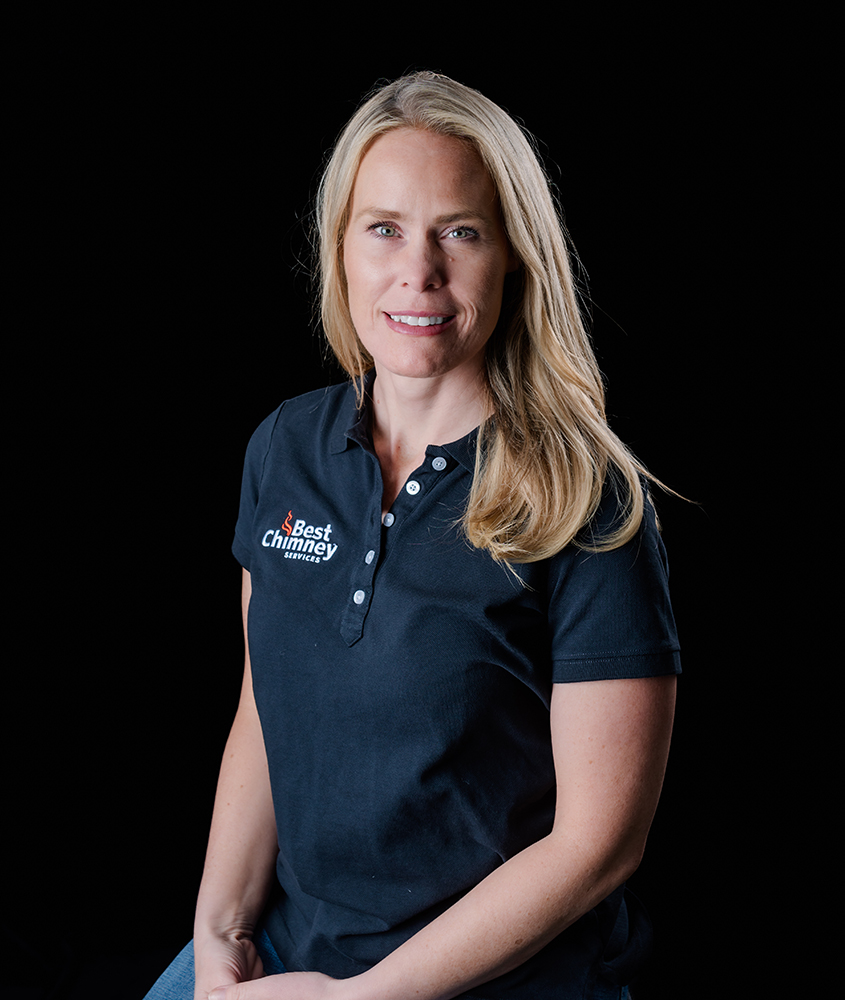
Lindsey joined BBC in 1998 as an administrative assistant learning every aspect of the industry and company. Lindsey embraced her chimney career, slowly working her way up the ladder to President of Operations. Lindsey has been an integral part of the daily operations for the last ten years, implementing numerous policies, systems, and procedures. In 2016, Lindsey became a partial owner of the company with her brother Matthew. She is dedicated to preserving the company’s family-owned values while providing top-notch customer service from both the office staff and field technicians. Lindsey lives in Bridgewater with her husband and two daughters and plays in a women’s soccer league to unwind.
Lindsey holds her Construction Supervisor’s License with the Commonwealth of Massachusetts, and is certified by the Chimney Safety Institute of America, CSIA Cert#8198